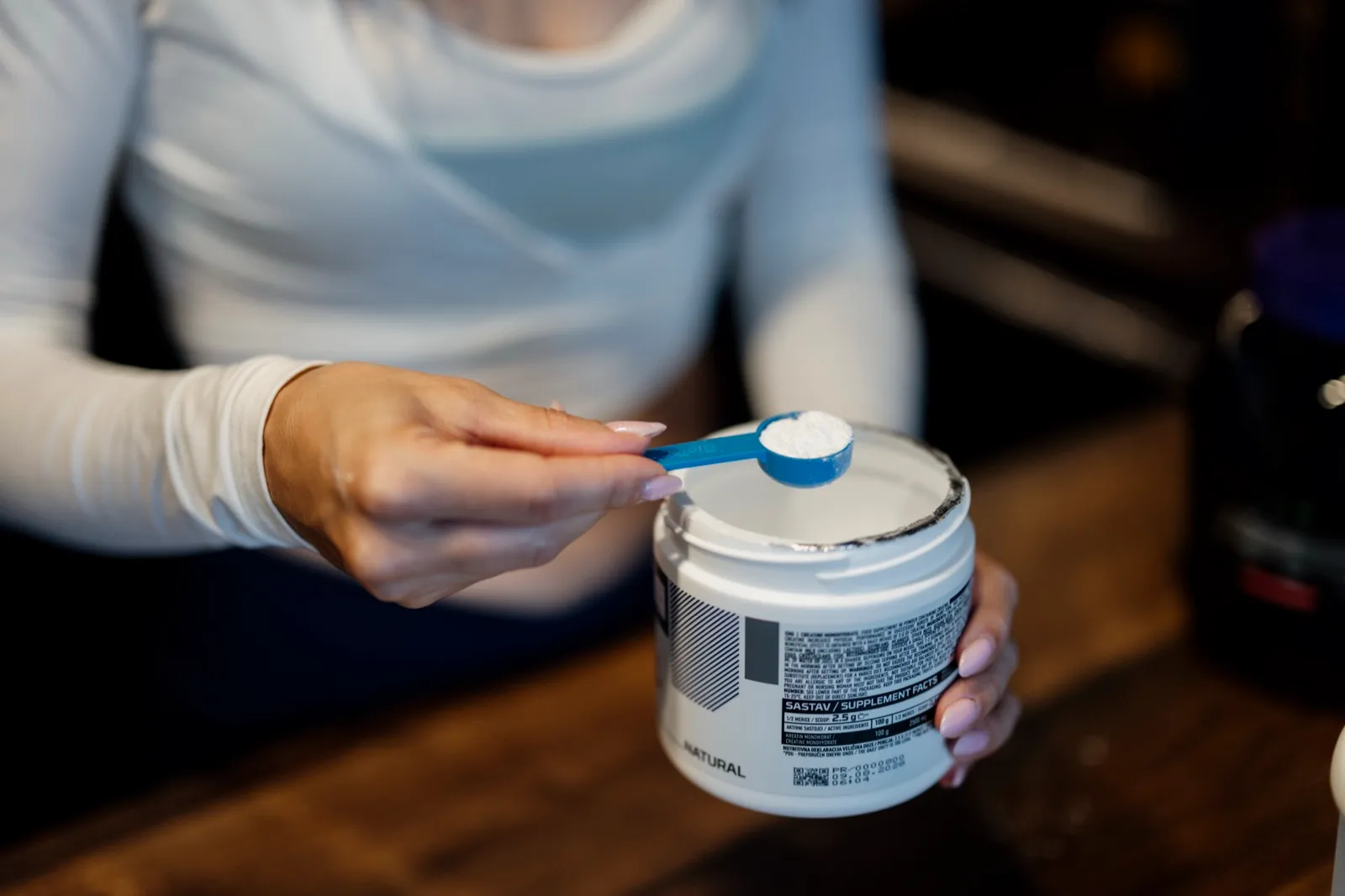
Supplements
Creatine: How to Take the Most Studied Supplement
How creatine works, why monohydrate beats every pricier form, whether loading is worth it, the honest size of the effect, and where the kidney myth began.
15 min read
131 articles in the archive · Page 5 of 6
How creatine works, why monohydrate beats every pricier form, whether loading is worth it, the honest size of the effect, and where the kidney myth began.

How many hours of sleep adults and children actually need, why long sleep also shows up in risk charts, and how to find the number that works for you.

What your daily energy burn is really made of, why metabolism does not crash at 30, and which levers — muscle, NEAT, protein, sleep — actually move the number.

The evidence-based answer on daily protein: how to calculate your target by body weight and goal, a food table with real numbers, and the myths worth dropping.

How chronic insomnia is diagnosed, why your compensations keep it going, and what CBT-I involves — the first-line treatment recommended by the AASM and the ACP.
The glycemic index is measured on a 50 g carbohydrate portion, which is why it misleads. How GI is tested, why glycemic load is better, and who benefits.

Iron deficiency starts long before anaemia, ferritin drops first and lies during inflammation, and iron taken without testing can do real damage.
What magnesium does, how much you need by age and sex, why a blood test tells you almost nothing, and how citrate, glycinate and oxide really compare.

Flexibility versus mobility, why long static holds before lifting cost you strength, why stretching prevents neither injury nor soreness, and what works.

10,000 steps came from a 1965 pedometer advert. Here is what the big accelerometer cohorts show: where mortality risk really falls and where it flattens.

What acute and chronic stress do to the body, which coping techniques hold up in systematic reviews, what is oversold, and when to seek professional help.

How much fiber an adult needs, the difference between soluble and insoluble types, a food table with real numbers, and how to raise intake without bloating.

What VO2max measures, how it tracks mortality in 122,007 adults, reference values by age and sex, how to test it, and how much you can realistically raise it.

A practical first-three-months gym plan: how many sessions per week, which exercises, how much weight, how fast to progress, and what beginners get wrong.

A sheet-pan salmon and quinoa bowl with 38 g of protein and 2.5 g of omega-3s per serving, on the table in 30 minutes. Full method, macros and swaps.
What omega-3s are actually proven to do, how much EPA and DHA you need daily, how to decode a supplement label, and who should skip the capsules entirely.

Sleep hygiene rules sorted by strength of evidence: what genuinely improves sleep, what is oversold, and why chronic insomnia needs CBT-I instead.
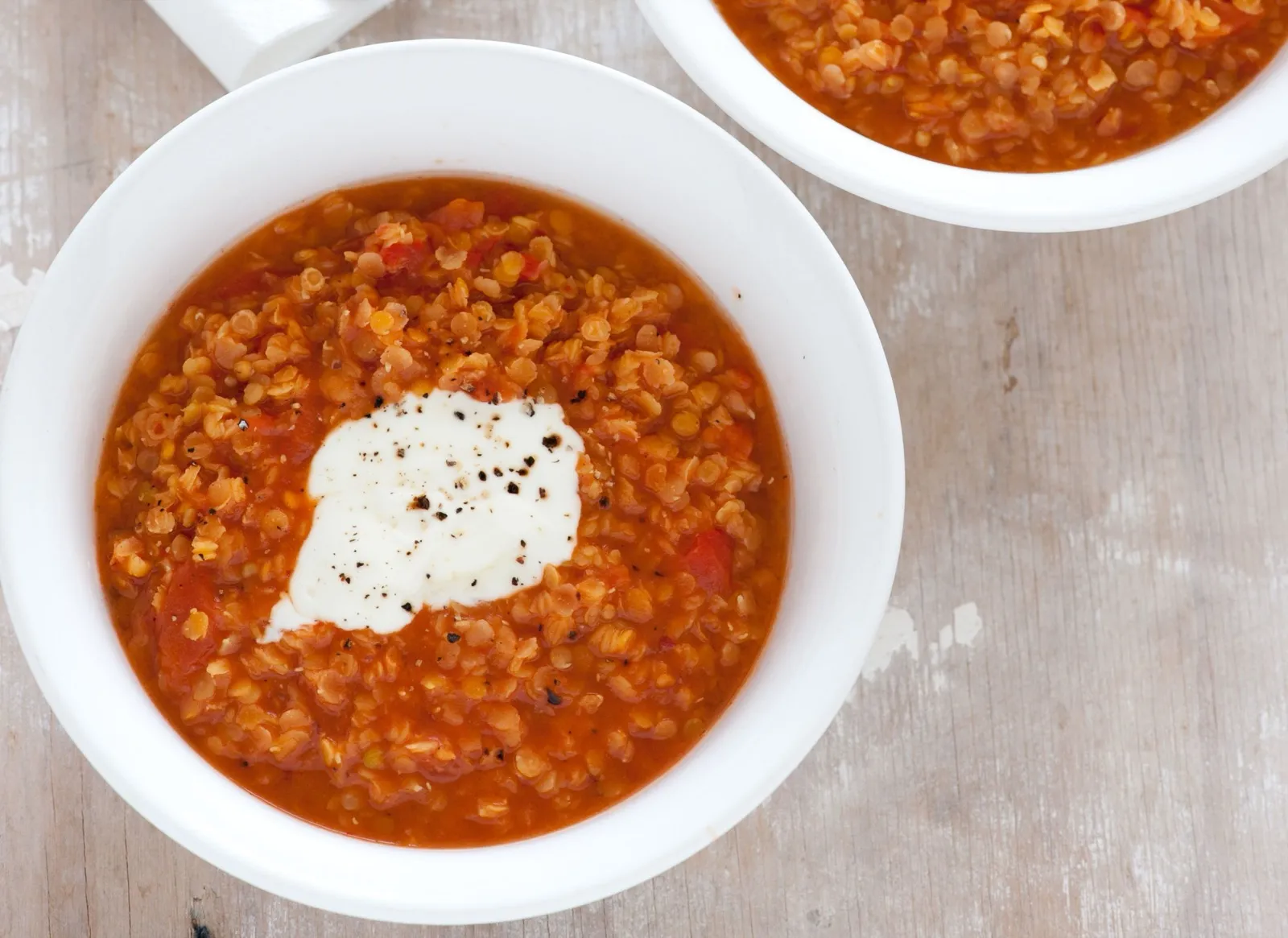
A one-pot red lentil soup with 20 g of protein and 9 g of fiber per bowl, ready in 40 minutes. Step-by-step method, macros and an honest look at plant protein.

How to read a 25(OH)D result, which doses work for prevention and for correcting deficiency, who should be tested, and where the overdose risk begins.

How to set heart rate training zones without a lab test, why 220 minus age is unreliable, how the Karvonen method works, and what Zone 2 actually builds.

Where BMI came from, when it works and when it fails, why waist-to-height ratio beats it, and how to read your body composition without expensive equipment.

How to work out your maintenance calories, what size of deficit is safe, why tracked deficits often fail to move the scale, and the habits that hold.

Why anxiety is a normal brain function, where the line with a disorder falls, why the symptoms feel physical, and which treatments hold up in evidence.

A complete bodyweight program for home: sets, reps, rest and a progression ladder for every movement — plus when bodyweight stops being enough.