Lactose Intolerance: How to Tell and What to Do About It
How lactose intolerance differs from milk allergy, why most adults on the planet have it, how to test for it, and why cutting out dairy completely is usually unnecessary.

Contents
Lactose intolerance is that rare case where we call a "disorder" something most of humanity has. Roughly a third of the world's population can digest milk sugar as adults; the other two thirds are evolutionarily normal, if occasionally inconvenienced. Here is how to tell intolerance from allergy and from IBS, how to test for it, and why cutting out dairy entirely is nearly always overkill.
How it works
Lactose is a disaccharide of glucose and galactose, the main carbohydrate in milk. To be absorbed it must be split by lactase, an enzyme produced by the brush border cells of the small intestine.
In every mammal, lactase activity falls after weaning — the enzyme is no longer needed. The same happens in humans, but around ten thousand years ago a mutation in a regulatory region of the MCM6 gene spread through populations that had taken up dairy farming, keeping lactase active for life. The condition is called lactase persistence.
Its prevalence varies sharply by region: around 90% in northern Europe, 60–70% in northern India, under 10% in East Asia and among indigenous American populations. The global average for adults with lactose malabsorption is about 68%.
Unsplit lactose behaves as a classic FODMAP: it draws water into the bowel lumen osmotically and ferments rapidly in the colon, producing hydrogen, carbon dioxide and short-chain fatty acids. Hence the whole symptom set — bloating, rumbling, cramps, loose stool, flatulence. They usually appear 30 minutes to two hours after eating.
What it is not
| Condition | Mechanism | Symptoms | Approach |
|---|---|---|---|
| Lactose intolerance | Lactase enzyme shortage | Bloating, diarrhoea, cramps; dose-dependent | Limit the dose, do not eliminate |
| Cow's milk protein allergy | Immune reaction (IgE or non-IgE) | Rash, swelling, vomiting, anaphylaxis in severe cases | Complete avoidance, allergist supervision |
| IBS | Visceral hypersensitivity, motility | Pain linked to defecation, altered stool | Multimodal management, possibly low-FODMAP |
| Coeliac disease | Autoimmune reaction to gluten | Diarrhoea, weight loss, anaemia, deficiencies | Lifelong gluten-free diet |
Confusing intolerance with allergy is expensive in both directions. Someone with an allergy who believes they merely have intolerance risks a serious reaction. Someone with intolerance who believes they have an allergy spends years avoiding all dairy unnecessarily and loses calcium doing it.
Читайте также: Bloating: What Causes It and What Actually Helps
Testing
Hydrogen breath test. The standard. After a lactose solution, hydrogen concentration in exhaled air is measured: if the lactose was not absorbed, bacteria ferment it and hydrogen rises. It is non-invasive but requires preparation and returns false negatives in people whose microbiota produces methane instead of hydrogen.
Genetic test. Identifies the variant in the MCM6 regulatory region. It shows predisposition to primary hypolactasia but not your current state and not secondary intolerance.
Elimination challenge. The most accessible method: remove lactose for two weeks, then reintroduce and observe. It works but is vulnerable to expectation effects, so keep a diary and check whether symptoms scale with dose.
One thing not to do is order an IgG "food intolerance panel". IgG antibodies to food proteins reflect exposure rather than intolerance, and allergy societies explicitly advise against these panels.
How much lactose is fine
The key fact usually lost in the conversation: intolerance is dose-dependent. Systematic reviews find that most people with malabsorption tolerate up to 12 g of lactose in a single sitting without symptoms — roughly a glass of milk. Taken with food, or split across the day, the tolerated dose is higher still.
| Food | Portion | Lactose | Usually tolerated |
|---|---|---|---|
| Milk | 200 ml | 9–10 g | Often yes, particularly with food |
| Kefir, yoghurt | 200 ml | 4–6 g | Generally yes: starter bacteria pre-digest some lactose |
| Cottage cheese | 100 g | 2–3 g | Yes |
| Hard cheese (parmesan, cheddar) | 30 g | under 0.1 g | Almost always |
| Butter | 10 g | under 0.1 g | Yes |
| Ice cream | 100 g | 5–6 g | Often yes |
| Condensed milk | 50 g | 6 g | Depends on the dose |
Practical tactics that widen tolerance: drink milk with a meal rather than on an empty stomach; split portions; choose fermented products; and increase the dose gradually — the microbiota adapts and begins fermenting lactose more efficiently without pronounced symptoms. Lactase tablets taken before eating also work.
Читайте также: Fermented Foods: What Cultured and Pickled Foods Actually Do
The real risk is calcium, not milk
Dairy supplies a substantial share of daily calcium, and in some diets most of it. Removing it entirely without replacement buys not only a quieter stomach but a risk of reduced bone mineral density across the following decades.
Substitution is possible, but do it deliberately:
- fortified plant drinks — check the label: unfortified almond milk holds a fraction of the calcium in cow's milk;
- tinned sardines and other fish with bones — very high bioavailability;
- tofu set with calcium salts — check the ingredient list;
- sesame and tahini, almonds — good sources, though portions are small;
- broccoli, kale, bok choy — calcium absorption here actually exceeds that from milk;
- spinach is a poor choice: plenty of calcium, but oxalates block its absorption.
Читайте также: Calcium: How Much You Need, Where to Get It, Who Needs Supplements
Secondary intolerance
A distinct scenario: lactase was present and disappeared after damage to the small intestinal lining. Causes include gut infection (rotavirus and giardiasis especially), coeliac disease, Crohn's disease, radiotherapy and prolonged antibiotic courses.
The difference matters: secondary intolerance is reversible. Once the mucosa heals, lactase activity returns, usually over weeks or months. So if intolerance appeared abruptly after a gut infection, it is sensible to restrict lactose temporarily and retest tolerance in two or three months, rather than filing yourself as permanently intolerant.
Sudden onset in an adult is also a reason to rule out coeliac disease, particularly alongside weight loss, anaemia or iron deficiency.
The bottom line
Lactose intolerance is not a disease but a state shared by most adults on the planet. Symptoms scale with dose, and the overwhelming majority handle up to 12 g of lactose per sitting, especially with food.
Distinguish it from cow's milk protein allergy, where the mechanism is immune and the approach is complete avoidance. And remember that the main risk of dropping dairy is not the absence of milk but a calcium shortfall: if you remove it, replace it deliberately.
FAQ
How does lactose intolerance differ from milk allergy?+
Different mechanisms entirely. Intolerance is a shortage of lactase, the enzyme that splits milk sugar; symptoms are intestinal and dose-dependent. Allergy is an immune reaction to milk proteins, more common in children, and it can be dangerous: rash, swelling, anaphylaxis. Allergy requires complete avoidance; intolerance almost never does.
How many people are lactose intolerant?+
Around 65–70% of the world's adults, and that is the norm rather than a disease. Digesting lactose into adulthood is an evolutionarily recent mutation, common in northern Europe and among some pastoralist populations. In East Asia, lactase persistence occurs in under 10% of adults.
How is lactose intolerance diagnosed?+
Most precisely with a hydrogen breath test, measuring hydrogen in exhaled air after a lactose load. There is also a genetic test for the MCM6 variant and, rarely, biopsy with lactase activity measurement. The domestic version is removing lactose for two weeks and reintroducing it while watching symptoms.
Do I need to give up dairy entirely?+
Almost never. Most people with intolerance handle up to 12 g of lactose in one sitting — about a glass of milk, particularly alongside food. Hard cheeses contain trace amounts, and in yoghurt the starter bacteria have already broken some down. Complete avoidance is usually excessive and costs you calcium.
What can I eat with lactose intolerance?+
Hard and aged cheeses (parmesan, cheddar, gouda), butter, yoghurt and kefir, lactose-free milk, and cottage cheese in moderation. Plant drinks are an option, but check whether they are calcium-fortified: unfortified, they carry a small fraction of the calcium in milk.
Can intolerance appear suddenly?+
Yes, in two forms. Primary intolerance develops gradually as lactase activity declines after childhood, and symptoms may surface between 20 and 40. Secondary intolerance follows damage to the small intestinal lining: gut infection, coeliac disease, inflammatory bowel disease, a course of antibiotics. Secondary intolerance is usually reversible.
Where do I get calcium without dairy?+
From fortified plant drinks, tinned sardines with bones, calcium-set tofu, sesame and tahini, almonds, broccoli and other leafy greens, and beans. Note that spinach is calcium-rich but a poor source: oxalates sharply reduce its absorption.
References
- 1.Storhaug CL, Fosse SK, Fadnes LT. Country, regional, and global estimates for lactose malabsorption in adults. Lancet Gastroenterol Hepatol, 2017
- 2.Suchy FJ, et al. NIH Consensus Development Conference Statement: Lactose Intolerance and Health. Ann Intern Med, 2010
- 3.Enattah NS, et al. Identification of a variant associated with adult-type hypolactasia. Nat Genet, 2002
- 4.Savaiano DA, et al. Improving lactose digestion and symptoms of lactose intolerance. Nutr J, 2013
- 5.Misselwitz B, et al. Update on lactose malabsorption and intolerance. Gut, 2019
- 6.Weaver CM, et al. Choices for achieving adequate dietary calcium with a vegetarian diet. Am J Clin Nutr, 1999
Read next

IBS and the FODMAP Diet: What It Is and Who It Helps
How irritable bowel syndrome is diagnosed, what FODMAP carbohydrates are, how the three-phase diet works, and why it must never become a permanent way of eating.
Leaky Gut Syndrome: What Is True and What Is Marketing
Intestinal permeability is real physiology, but 'leaky gut syndrome' as the cause of every illness is not established. Here is where the science ends and the supplement sales begin.
Prebiotics vs Probiotics: The Difference and What Actually Works
How prebiotics differ from probiotics, who supplements genuinely help, who is better off with food, and why a probiotic's effect depends on the strain.
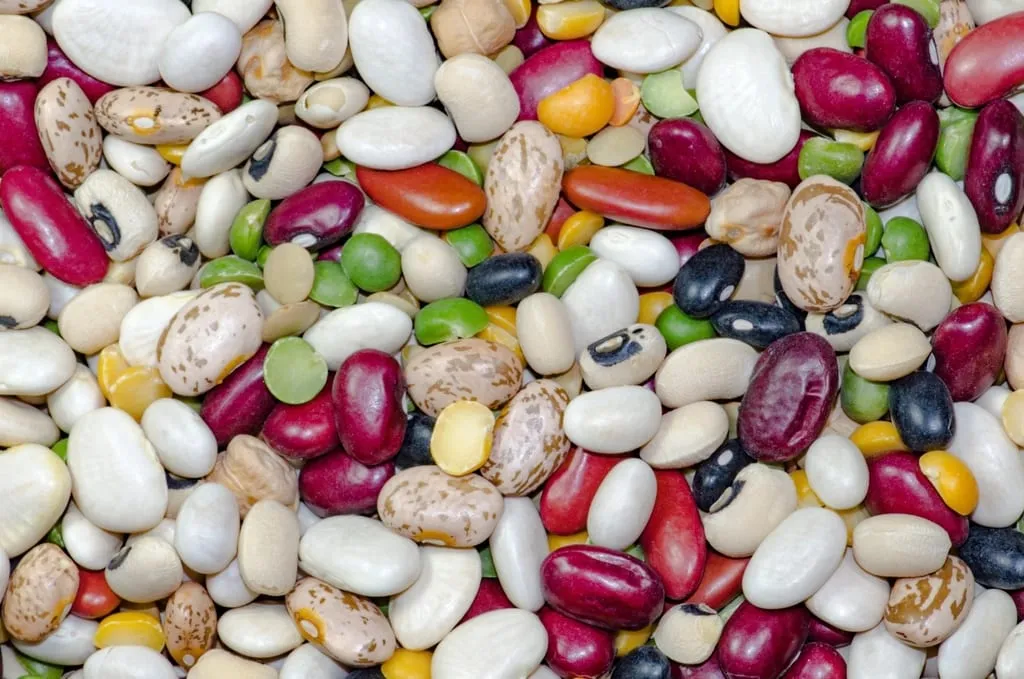
Bloating: Why It Happens and What Actually Helps
How gut gas forms and the common causes of bloating — fiber, FODMAPs, lactose, IBS, air swallowing. A step-by-step plan plus the red flags that mean see a doctor.

Osteoporosis: The Prevention That Starts in Your Thirties
How bone tissue works, why peak bone mass is set before 30, what menopause changes, who needs a DXA scan, and which measures genuinely reduce fracture risk.
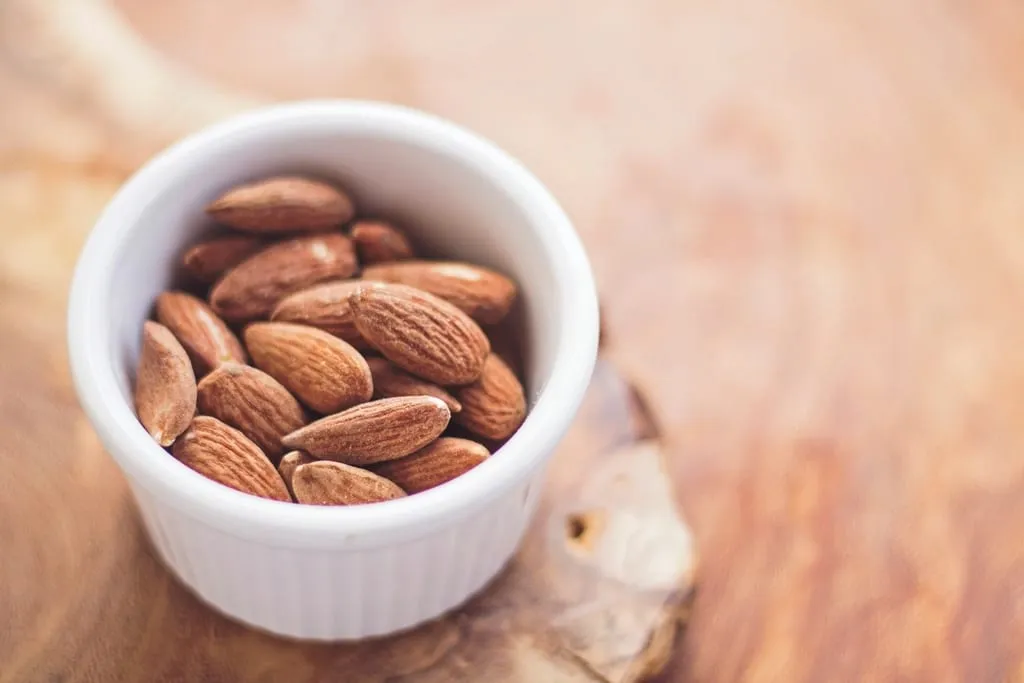
Calcium: How Much You Need and How to Get It Without Dairy
Calcium requirements by age, the best dairy and plant sources, why vitamin D and protein matter, and who actually needs a supplement rather than taking one just in case.